
Buying cannabis products online can feel simple right up until you have to pick something. The menu is full of options—oils, gummies, concentrates, drinks, capsules, creams—and the labels are not always easy to compare. Most people are trying to solve the same problem:
“I want something that fits my comfort level and my routine, without guessing.”
This article breaks down the most common product types you will see in an online cannabis menu, what each format is generally used for, what to look for on a product page, and the mistakes that cause the most regret. It is written to help you choose calmly and responsibly, whether you are new or just trying a different category.
What the menu usually includes
A well-rounded online menu typically organizes products into a few main groups:
- Edibles (soft chews/gummies, chocolates, baked goods)
- Beverages (carbonated drinks, still drinks like tea)
- Oils and liquid extracts
- Capsules
- Concentrates (like kief and honey oil extract)
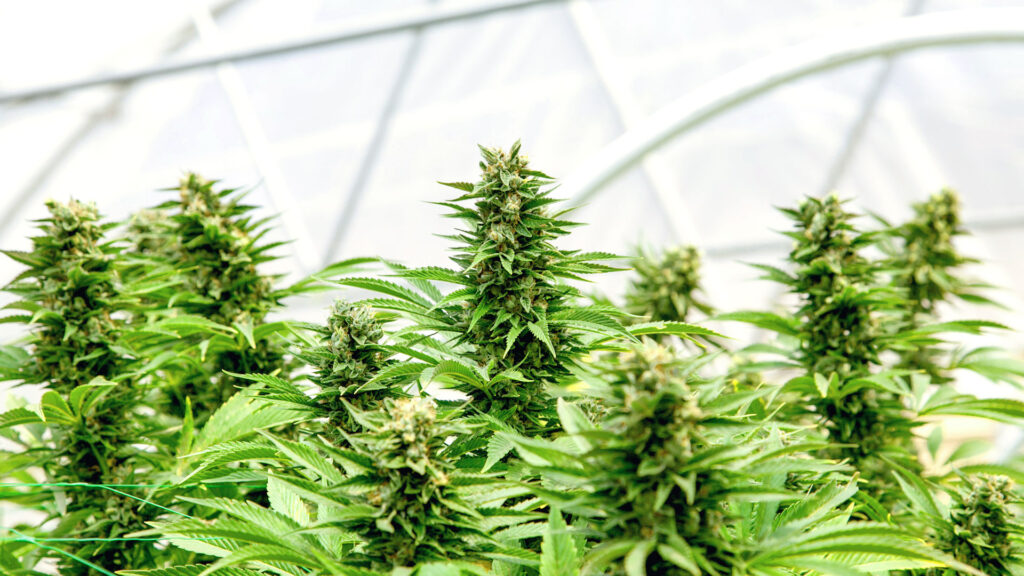
- Flower (whole flower, pre-rolls, ground/milled)
- Topicals (creams, gels, relief sticks)
If you already know what you want, you can go straight to the category. If not, start by choosing the format that fits your routine first—then decide on strength.
Edibles: gummies, soft chews, and why dosing matters
Edibles are popular because they are convenient, discreet, and often come in clearly portioned pieces. The downside is that people underestimate them. Edibles can feel stronger than expected for some users, and the experience can last longer than they planned.
CBD gummies vs THC-forward gummies
When you are comparing CBD gummies to THC-forward options, the difference is not just “strong vs weak.” It is more about how noticeable the effects may feel.
- CBD gummies are commonly chosen by people who want a lighter, more subtle experience and prefer to avoid feeling too impaired.
- THC-forward gummies are chosen by people who want a more noticeable effect.
If you are browsing for THC gummies for sleep, keep expectations realistic. Products can be positioned for nighttime routines, but results vary person to person. The most useful thing is still the label: how many mg per piece, and how many pieces in the pack.
What to look for on an edible product page
- THC and CBD listed clearly (usually mg per piece or mg per unit)
- Serving size (one piece vs multiple pieces)
- Any “low-dose” positioning if you want a gentler entry point
- Ingredient notes if you have dietary concerns (e.g., sugar-free options, allergens)
Real-world context
Most people have a better time with edibles when they pick something that is easy to dose consistently. “Consistent” matters more than “strong.” If you are testing a new edible, keep the rest of the day simple and avoid stacking multiple products too quickly.
Beverages: carbonated sodas and still drinks
Cannabis beverages are appealing because the dose is often listed per can, which makes comparisons easier. Many menus include:
- Carbonated beverages (sodas, seltzers)
- Still beverages (tea, lemonade-style drinks)
Some drinks also combine cannabinoids, like THC with CBG. You may see blends like THC + CBG, and sometimes additional ingredients such as guarana in specific products.
What to look for with drinks
- THC mg per unit (per can/bottle)
- CBD mg per unit (if included)
- Whether the drink is a “blend” (THC plus other cannabinoids)
- Caffeine content (especially if the drink is tea-based or includes stimulating ingredients)
A helpful way to choose
If your goal is a calmer evening routine, choose a drink with a lower, clearly stated THC amount and avoid pairing it with other new products the same night. If your goal is daytime use, pay attention to caffeine and “energy” add-ons.
Oils and liquid extracts: CBD oil and THC/CBD oil
Oils are one of the most common categories on cannabis menus, but also one of the most confusing—because “oil” can refer to different formulations.
CBD oil
CBD oil is typically chosen by people who want a more subtle experience and want to avoid a strong high. On many menus, CBD-forward oils are described as “balanced” or listed with CBD as a prominent number.
THC/CBD oil
THC/CBD oil is a blended option. People usually choose it when they want a more noticeable effect than CBD alone but still prefer some balance in the formulation.
What to look for on an oil product page
- CBD and THC amounts in a consistent unit (mg per unit, or mg per mL if shown)
- Any listed extraction method (for example, CO2 extraction is sometimes stated)
- Carrier oil (if listed)
- Size/volume and how it is meant to be measured
Real-world context
Oils are often chosen for consistency. People like them because they can use the same approach each time and adjust gradually. The safest habit is to pick an oil with clear labeling and start with a lower amount if you are unsure.
Capsules: measured dosing and predictable labels
Capsules can be a good option when you want simple, measured dosing without flavor or texture concerns. Many online menus include:
- CBD capsules (often higher CBD per capsule)
- THC capsules
- Balanced capsules with both cannabinoids listed
What to look for in capsules
- CBD mg per capsule and THC mg per capsule
- Number of capsules per bottle
- Any listed extraction method
- “Plant type” labels (some products are positioned as indica-leaning or sativa-leaning)
Capsules are often chosen by people who want a routine-based approach with clear numbers on the label. If you value predictability, capsules are usually easier to compare than many edible products.
Concentrates: kief and honey oil extract
Concentrates are typically stronger than standard flower by weight. They are often better suited to people who already know their tolerance and are comfortable with potency.
kief
Kief is collected trichome material, sometimes listed as dry sift. It is concentrated and can be potent, depending on the THC range listed.
What to look for:
- Weight (grams)
- THC range (percentage or mg per gram)
- How it is categorized (kief/dry sift)
Honey oil extract
Honey oil extract is a concentrate category that often comes in small units (for example, 1g) with THC and sometimes CBD ranges listed per gram.
What to look for:
- THC mg per gram (or mg/g range)
- CBD mg per gram (if present)
- Dominance label (indica/sativa/hybrid) if included
- Size (often 1g)
Real-world context
Concentrates are not automatically “better.” They are simply more concentrated. If you are new, it is usually easier to start with a lower-dose edible, a measured oil, or capsules rather than beginning with concentrates.
Flower: whole flower, pre-rolls, and ground options
Most online menus will separate flower into:
- Whole flower
- Pre-rolls
- Ground/milled
People typically choose flower based on:
- Strain style (indica/hybrid/sativa positioning)
- Aroma/flavor notes when available
- THC range listed
- Convenience (pre-rolls for simplicity, whole flower for flexibility)
If you are browsing for sativa for creativity, many shoppers are really looking for something that feels lighter and clearer rather than heavy or overly sedating. The best approach is to choose what matches your tolerance and your schedule, not just a label.
Topicals: creams, gels, and relief sticks
Topicals are applied to the skin and are chosen by people who want a non-ingestible option. Menus often include:
- CBD creams
- Cooling gels
- Relief sticks (often with menthol or essential oils)
If you are specifically looking for a CBD relief stick, check:
- CBD amount per unit
- Ingredients like menthol, peppermint oil, vitamin E, and other topical bases
- Size and intended application notes (when provided)
Topicals are often purchased for targeted, practical use, and buyers usually care most about ingredient transparency and CBD amount per unit.
“How to choose” in plain language: the simplest method
If you are unsure what to buy, use this order of decisions:
Step 1: Pick the format that matches your routine
- Want something measured? Choose capsules or oils
- Want something occasional and easy? Choose edibles or beverages
- Want concentrates? Choose kief or honey oil extract (only if you are comfortable with potency)
- Want non-ingestible? Choose topicals
Step 2: Choose your intensity level
- New or cautious: look for lower mg per unit and clear serving sizes
- Experienced: focus on consistency, labeling, and product type preference
Step 3: Use label clarity as your main “quality filter”
When labels are consistent, you can compare products fairly. When labels are vague, you are more likely to guess—and guessing is what causes bad buys.
Common mistakes buyers make
Mistake 1: Buying the strongest item first
This is the fastest path to a negative experience. Strength is not the goal; control is.
Mistake 2: Ignoring serving size
A pack can contain multiple servings even if it looks like “one product.” Always check mg per piece and pieces per pack.
Mistake 3: Mixing formats too quickly
If you try a new edible, do not stack it with a new drink, oil, or concentrate in the same short window. Keep it simple.
Mistake 4: Choosing by buzzwords instead of numbers
“Nighttime,” “focus,” and “relax” are helpful labels, but the real comparison is dosage and format.
Mistake 5: Forgetting delivery reality
If the menu mentions proof of ID and secure delivery, plan for it. A smooth delivery depends on being ready to receive it properly.
Quick buyer checklist
Before you checkout, confirm:
- You picked a format you actually want (edible, drink, oil, capsule, concentrate, topical, flower)
- THC and CBD amounts are clearly listed
- Serving size is clear (mg per piece or per unit)
- You are not buying multiple unfamiliar formats at once
- You have time for the experience (especially with edibles)
- You are ready for delivery requirements, including ID
Responsible shopping: what builds trust
The best online buying experience is not the flashiest. It is the one that makes it easy to choose correctly. Trust is built through:
- Clear labeling (mg per unit)
- Straightforward category structure
- Consistent product info (size, type, extraction when listed)
- Sensible delivery expectations (secure packaging, proof of ID)
If a product page does not give you enough clarity, the safest move is to pick a different product that does.
A calm next step
If you want to explore these categories in a real menu and compare options side by side—edibles, beverages, CBD oil, THC/CBD oil, kief, capsules, extracts, flower, and topicals—you can browse here: THC Throne
Take it one category at a time. Choose the format first, choose clarity over hype, and keep your first purchase simple. That approach is what most people wish they had followed from the beginning.