
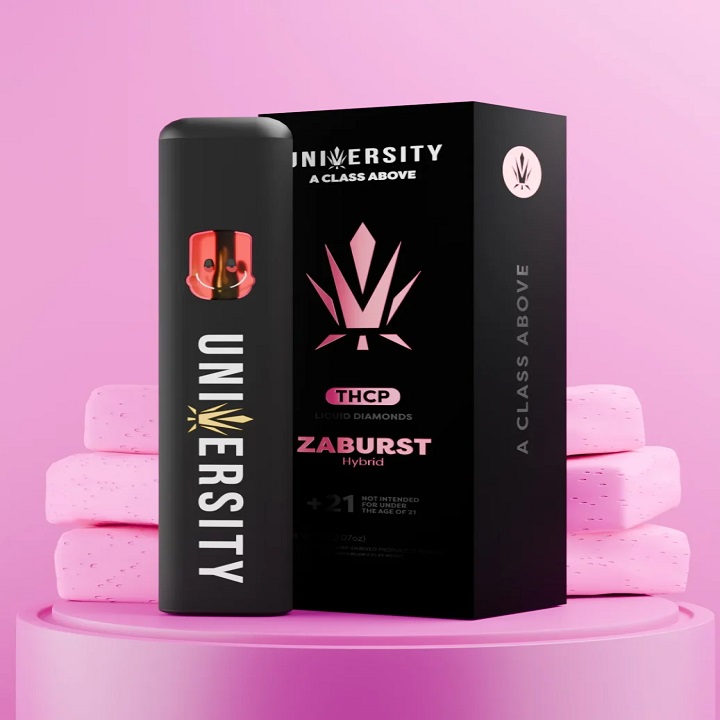
There is always something new surfacing in the cannabis space, but every so often, a discovery makes people stop and ask more questions. That has been the case with THC P, a cannabinoid that has started to draw attention from those curious about stronger or different effects than what they are used to.
So, what is it, exactly? Where did it come from? And why are cannabis users paying more attention to it lately?
Trap University has done the groundwork, laying out the basics in a clear and simple article. You can find it here: THC P: What It Is and Why It’s Gaining Popularity
A Look at How It Was Found
A group of researchers in Italy first came across THC P while they were studying cannabis samples that seemed to deliver stronger results than expected. They noticed that something in the chemistry did not line up with the usual THC readings. It was not a massive discovery at the time, but what they found next caught attention.
They identified a new cannabinoid with a different structure. Compared to Delta 9 THC, this one had a longer chain on one end. That small detail turned out to have a big impact. It gave the compound a stronger grip when binding to CB1 receptors, which are found in the brain and central nervous system.
How THC P Works in the Body
Every person has an internal network called the endocannabinoid system. It helps regulate mood, appetite, and even how we experience pain. THC interacts with this system through the CB1 receptor, which is responsible for the familiar effects people often associate with cannabis.
Now here is the interesting part: THC P connects to these receptors with more strength than traditional THC. This means it may take less of it to feel noticeable changes. People who have tried it say that the shift in sensation can be more intense, more physical, or longer lasting than what they are used to.
Again, that can vary quite a bit depending on the individual. Tolerance, setting, and how much is taken all play a role.
What People Say It Feels Like
Reports from users vary, but a few common descriptions come up again and again when talking about THC P.
- A calming wave across the body
- Slowed sense of time
- Sharpened awareness of colors or sounds
- Deep relaxation that may make lying down feel extra appealing
- A heavier, more grounded feeling
Some say it brings a mental clarity they enjoy. Others find that it pairs well with music or art. There are also those who describe it as very strong and not ideal for beginners. That kind of variation makes sense, especially with something this potent.
Trap University encourages anyone trying THC P to be patient with the dose and give it time. Their team reminds users that edibles and vapes act differently, so timing and onset can change from product to product.
Where It Is Found and How It Is Used
These days, THC P is being added in small amounts to hemp-derived products. You will usually see it blended with other cannabinoids like Delta 8 or HHC. That way, the experience can be smoother and easier to manage.
Here are some common ways people try it:
- Disposable vapes
- Refillable vape cartridges
- Gummies or soft chews
- Liquid drops or tinctures
Inhaling tends to bring quicker effects, while edibles take longer to kick in but can last much longer. Most brands recommend starting with a small dose—just one puff or a fraction of a gummy—then waiting to see how it affects you.
Many people use THC P during downtime. A relaxed evening, a quiet weekend, or even as part of a routine to help unwind at the end of a busy day.
Legal Details and What to Know
At the federal level, THC P is allowed if it is made from hemp that contains less than 0.3 percent Delta 9 THC by dry weight. This rule comes from the 2018 Farm Bill, which opened the door for a number of cannabinoids to be used legally as long as they followed that formula.
That said, state laws are not all the same. Some places have added their own restrictions or are in the process of doing so. Before purchasing or using any THC P product, it is worth checking the laws in your area.
Trap University follows these guidelines closely and offers third-party test results to back up what is in each item they sell. That transparency helps people know what they are getting before they try it.
Drug Testing and THC P
This is a topic that comes up often. Since THC P is a form of THC, it is possible that it could show up on a drug test. Most standard drug screens are not designed to tell the difference between Delta 9 THC and similar compounds like THC P.
So while a product may be legal, a test may still return a positive result. Anyone with job requirements or legal reasons to avoid THC might want to hold off on using THC P unless they have clear guidance from an employer or testing agency.
A Few Things to Keep in Mind
Trying something new like THC P calls for a little extra care. If you are thinking about it, these tips may help:
- Begin with the lowest possible dose
- Do not mix it with alcohol or other substances on your first try
- Give yourself time and space to relax afterward
- Keep snacks and water nearby
- Be mindful of how your body reacts
Trap University highlights these reminders not just to avoid bad experiences, but to help people actually enjoy the process of learning how THC P affects them.
Wrapping It Up
The world of cannabis is always changing. With new findings like THC P, there is more for users to explore. The key is staying informed, asking questions, and choosing products that come from sources that put safety and education first.
Whether someone is new to cannabinoids or has been around for a while, THC P offers something different. Stronger, possibly longer lasting, and with effects that many people find useful for stress, rest, or focus.
If you are curious and want to dive deeper, Trap University breaks it all down here:
THC P: What It Is and Why It’s Gaining Popularity