
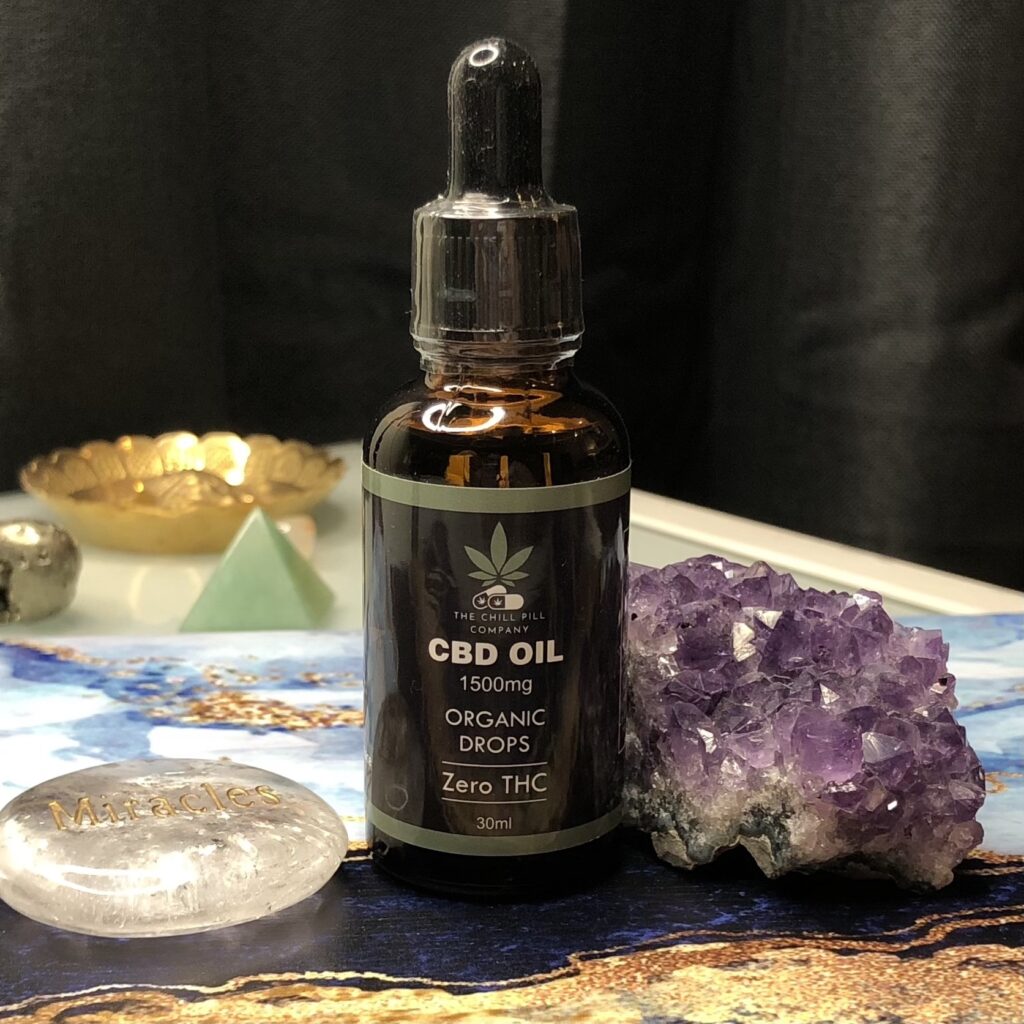
CBD oil and CBD gummies are two of the most recognisable cannabidiol (CBD) formats. Both contain a cannabinoid derived from the cannabis plant, but they differ in how they are formulated, measured, consumed and processed by the body.
For Australians researching CBD, understanding those differences is only part of the decision. Product quality, cannabinoid content, independent testing and legal access are equally important.
Searches for CBD Oil Australia often lead to information about concentrated oils, while gummies attract interest from people comparing pre-measured edible formats. Neither option is automatically better.
This guide explains how CBD oils and gummies compare, what full-spectrum and isolate labels mean, how to interpret CBD concentrations, and what Australian consumers should know before considering these products.
CBD Oil vs CBD Gummies: What’s the Difference?
CBD oil is generally made by combining cannabidiol or a cannabinoid-rich extract with a carrier oil. Common carrier oils include medium-chain triglyceride (MCT) oil and hemp seed oil.
CBD gummies are edible products containing measured quantities of CBD, usually combined with sweeteners, flavourings and other ingredients.
The main differences involve administration, flexibility and formulation.
| Feature | CBD Oil | CBD Gummies |
| Format | Liquid with a dropper or measured dispenser | Pre-portioned edible |
| CBD measurement | Usually labelled in mg/mL | Usually labelled in mg per gummy |
| Ingredients | CBD extract and carrier oil | CBD extract, sweeteners and gelling agents |
| Measurement flexibility | Different volumes can be measured | CBD content is fixed per piece |
| Absorption | Depends on administration method | Passes through the digestive system |
| Portability | Requires secure bottle storage | Convenient pre-portioned format |
| Key label details | Concentration, carrier oil and cannabinoid profile | CBD per piece, ingredients and cannabinoid profile |
Neither format guarantees stronger or faster effects. The formulation, amount taken, food intake and individual metabolism can influence absorption.
In Australia, medicinal CBD products are regulated, so format comparisons should not be mistaken for confirmation that a particular product is legally available without a prescription.
- CBD Oil: Concentration, Ingredients and Flexibility
CBD oil is available internationally in different concentrations and extract types.
A typical bottle includes information about total CBD content, liquid volume and the cannabinoid concentration per millilitre.
For example, a 30mL bottle containing 1,500mg of CBD has a concentration of 50mg/mL.
A 30mL bottle containing 4,500mg of CBD contains 150mg/mL.
These figures indicate concentration, not a recommended amount to consume.
Why CBD Oil Concentrations Matter
Two similarly sized bottles can contain substantially different quantities of CBD. Judging products by bottle size alone can therefore be misleading.
When comparing oils, important details include:
- Total CBD content in milligrams.
- CBD concentration per millilitre.
- Carrier oil and other ingredients.
- Cannabinoid profile.
- Presence or absence of detectable THC.
- Batch-specific laboratory documentation.
Liquid formulations can allow measured adjustments in volume, but accurate measurement requires a suitable dispenser and instructions from the prescribing healthcare professional.
- CBD Gummies: Understanding Pre-Measured Edible Formats
CBD gummies combine cannabidiol with ingredients used to make chewable confectionery.
Interest in CBD Gummies Australia reflects a broader preference among some consumers for alternatives to liquid formulations.
Unlike oil, each gummy normally contains a specified quantity of CBD.
For example, a bottle labelled as containing 600mg of CBD across 60 gummies would provide a nominal 10mg per gummy.
That calculation is useful when comparing labels, but it does not establish the product’s safety, effectiveness or suitability.
What Makes Gummies Different?
Pre-measured portions: Each piece has a stated CBD content, reducing the need to measure a liquid volume.
Additional ingredients: Gummies may contain sugar, sweeteners, flavourings, colouring agents and gelling ingredients.
Digestive absorption: Swallowed CBD passes through the gastrointestinal tract, where food intake and metabolism can affect absorption.
Storage considerations: Gummies can resemble ordinary sweets, making secure storage particularly important around children and pets.
Consumers should also remember that a gummy containing more CBD is not necessarily a better product.
The correct formulation and quantity should be determined through appropriate medical advice rather than marketing descriptions.
- Full Spectrum vs Broad Spectrum vs CBD Isolate
One of the most important distinctions between CBD products is the type of extract used.
Three common classifications appear in international product descriptions: full spectrum, broad spectrum and isolate.
Full Spectrum CBD Oil
Full Spectrum CBD Oil generally contains CBD alongside other naturally occurring cannabis compounds.
Depending on the extract, these may include additional cannabinoids, terpenes and measurable quantities of THC.
Full-spectrum products are sometimes associated with the proposed entourage effect, the idea that cannabis compounds may act together in ways that differ from isolated CBD.
However, research has not established that every full-spectrum preparation is clinically superior to CBD isolate.
Importantly, a product described as containing less than 0.3% THC is not necessarily THC-free or compliant with Australian medicinal cannabis requirements.
The exact THC amount and applicable regulatory classification matter.
Broad Spectrum CBD Oil
Broad-spectrum oil generally contains CBD along with selected additional plant compounds, with THC removed or reduced.
Manufacturers frequently advertise broad-spectrum formulations as THC-free.
However, the phrase does not automatically establish the absence of detectable THC.
Analytical testing, detection limits and production controls determine whether a particular claim is supported.
CBD Isolate
CBD isolate is a purified cannabidiol ingredient intended to contain CBD without other cannabinoids or terpenes.
Searches involving CBD Isolate Australia commonly relate to understanding purity, cannabinoid composition and differences from full-spectrum products.
Isolate may be incorporated into an oil, gummy or another formulation.
Although isolate itself is intended to contain CBD alone, a finished product can contain additional ingredients, and manufacturing quality must still be verified.
Comparison of the Three Formulations
| Characteristic | Full Spectrum | Broad Spectrum | CBD Isolate |
| CBD | Yes | Yes | Yes |
| Other cannabinoids | Generally present | May be present | Not intended to be present |
| Terpenes | May be present | May be present | Normally absent |
| THC | May be present | Typically removed or reduced | Not intended to be present |
| Laboratory testing | Essential | Essential | Essential |
| Australian legal classification | Depends on composition and regulations | Depends on composition and regulations | Depends on composition and regulations |
No formulation should be assumed to be lawful, therapeutically effective or suitable for an individual solely because it is described as hemp-derived.
- What Does THC-Free CBD Oil Actually Mean?
THC-free is one of the most important and potentially misunderstood terms used in CBD product descriptions.
THC, or tetrahydrocannabinol, is the primary intoxicating cannabinoid associated with cannabis.
Some products marketed under the term THC Free CBD Oil are formulated using CBD isolate or THC-reduced broad-spectrum extracts.
However, a label saying “zero THC” does not necessarily mean that laboratory testing would detect absolutely no THC under every testing method.
Why Laboratory Detection Limits Matter
A laboratory result might report THC as:
- Not detected.
- Below the limit of detection.
- Below the limit of quantification.
- Present at a measurable concentration.
These descriptions are not interchangeable.
For example, a result below a laboratory’s detection limit does not prove that every molecule of THC has been removed.
The laboratory method and analytical sensitivity are relevant when interpreting the result.
Can THC-Free CBD Guarantee a Negative Drug Test?
No. CBD products can contain undeclared THC, and products with small quantities of THC may create legal and employment-related concerns.
Consumers should never rely exclusively on marketing claims when making decisions about driving or workplace testing.
The Australian Therapeutic Goods Administration (TGA) advises that medicinal cannabis products may contain traces of THC even when THC is not listed as an ingredient.
- How to Compare CBD Strengths Without Getting Confused
CBD packaging often emphasises large numbers such as 1,500mg, 4,500mg or 5,000mg.
Without considering bottle size, these figures reveal only part of the story.
Example: Two CBD Oil Labels
Product A
- Total CBD: 1,500mg
- Bottle volume: 30mL
- CBD concentration: 50mg/mL
Product B
- Total CBD: 4,500mg
- Bottle volume: 30mL
- CBD concentration: 150mg/mL
Product B has three times the concentration of Product A.
That does not mean it should be used in larger quantities or that it will produce better outcomes.
Example: CBD Gummies
Consider a hypothetical bottle containing:
- 60 gummies.
- 600mg CBD in total.
- 10mg CBD per gummy.
The arithmetic is straightforward:
600mg ÷ 60 gummies = 10mg CBD per gummy.
These calculations help readers understand labels; they are not dosage recommendations.
CBD may interact with medications and cause adverse effects. A qualified healthcare professional should determine whether CBD is appropriate and how any prescribed formulation should be administered.
- Why Third-Party Testing Matters for CBD Products
A product’s packaging can make impressive claims about purity, concentration and manufacturing quality.
Independent verification is more informative than unsupported advertising.
When evaluating CBD Products, one useful document to understand is the certificate of analysis, often abbreviated as COA.
A COA is a laboratory report describing the results of specific tests performed on a product or sample.
What Should a CBD Laboratory Report Include?
- Product identification: The report should identify the product, sample or batch tested.
- Cannabinoid concentration: The results should provide measured quantities of CBD and, where relevant, THC and other cannabinoids.
- Laboratory information: The report should identify the testing laboratory and its accreditation status, where applicable.
- Date of testing: Current batch-specific results are more informative than old reports from unrelated products.
- Contaminant screening: Depending on the product and applicable testing requirements, this may include checks for pesticides, heavy metals, residual solvents and microbial contamination.
- Detection limits: A meaningful “not detected” claim should be interpreted in the context of the laboratory’s analytical method.
Questions Worth Asking
Before relying on a product’s claims, consider whether its laboratory documentation matches the exact formulation and batch.
A generic certificate, a screenshot without identification details or an unverified purity statement may not provide enough evidence.
In Australia, medicinal cannabis products must also satisfy applicable regulatory quality requirements. Laboratory testing does not replace lawful approval or access arrangements.
- Is CBD Legal in Australia in 2026?
Understanding Australian CBD rules is essential because the regulatory position differs from countries that allow general retail sales of CBD supplements.
Search interest in CBD Australia includes questions about prescriptions, online availability, THC limits and whether products can be obtained from pharmacies.
Australia regulates medicinal CBD through the TGA and relevant state and territory legislation.
Is CBD Available Without a Prescription?
In February 2021, Australian scheduling changes created a framework under which certain low-dose CBD preparations could be supplied as Schedule 3 pharmacist-only medicines without a prescription.
However, those preparations must meet specific requirements and be approved by the TGA.
According to TGA guidance, no CBD products on the Australian Register of Therapeutic Goods currently meet the Schedule 3 criteria.
That means the scheduling change has not created a general over-the-counter CBD retail market.
How Can Patients Lawfully Access Medicinal CBD?
Depending on the product and circumstances, access may involve:
- A registered medicinal product supplied according to its scheduling requirements.
- A prescription from an appropriately registered healthcare professional.
- The Special Access Scheme for certain unapproved therapeutic goods.
- The Authorised Prescriber pathway.
Most medicinal cannabis products accessed through special prescribing pathways have not been evaluated by the TGA to the same standard as registered medicines.
Consumers should discuss lawful access, potential benefits, risks and availability with a qualified Australian healthcare professional.
What About Overseas and Online CBD Sellers?
An Australian-facing website or an offer of domestic delivery does not by itself establish that a CBD product is lawfully supplied.
The TGA advises consumers not to import medicinal cannabis products from overseas retail websites for personal use.
Readers should confirm regulatory status before assuming that international purchasing practices also apply in Australia.
For current information, consult the TGA’s medicinal cannabis patient resources.
- What Should You Check Before Considering CBD Oil or Gummies?
Online product research often begins with a familiar phrase such as Buy CBD Oil.
However, selecting a CBD product requires considerably more than comparing strength, flavour or price.
The first question for Australian consumers should be whether the product can be legally supplied through an appropriate pathway.
What Is the Cannabinoid Composition?
Check the distinction between CBD isolate, broad-spectrum and full-spectrum extracts.
Is the Strength Clearly Stated?
A clear label should identify CBD concentration or CBD content per unit.
Is There Verifiable Testing?
Look for meaningful batch-specific documentation rather than broad purity claims.
Does the Formulation Contain THC?
Confirm THC content using reliable product documentation, particularly where driving or drug testing is relevant.
Are There Other Ingredients?
Carrier oils, sweeteners, preservatives and flavourings may matter to people with dietary restrictions or allergies.
Has a Healthcare Professional Assessed Suitability?
CBD can interact with medicines and may cause effects such as fatigue, gastrointestinal symptoms or changes in liver function.
These considerations matter more than choosing whichever packaging looks most appealing.
- CBD Oil vs Gummies: Which Format Is More Practical?
There is no universal answer.
Liquid formulations and gummies each have characteristics that can be relevant in different circumstances.
An oil may offer more flexibility in measuring quantities when a suitable dispenser is provided. However, concentration differences can make careful measurement essential.
A gummy offers a pre-portioned format, but its fixed CBD content, additional ingredients and digestive absorption characteristics may be important considerations.
The best formulation for a specific patient is determined by clinical suitability, evidence, availability and lawful supply, not convenience alone.
It is also important to distinguish CBD products from approved medicines containing cannabidiol.
For example, Epidyolex is a registered prescription cannabidiol medicine used for specified epilepsy-related indications. Its approval does not mean general retail CBD oils or gummies have undergone the same evaluation.
- Frequently Asked Questions
Is CBD Oil Stronger Than CBD Gummies?
Not necessarily. Strength depends on the quantity and concentration of CBD in each formulation. A concentrated oil may contain more CBD per millilitre than a gummy contains per piece, but product strength alone does not predict therapeutic outcomes.
Do CBD Gummies Contain THC?
Some may, depending on the extract and formulation. A gummy labelled as THC-free should have appropriate evidence supporting that description.
Is Full-Spectrum CBD Better Than Isolate?
There is insufficient evidence to claim that full-spectrum CBD is universally better. The products differ in cannabinoid composition, and their clinical suitability depends on individual circumstances.
Can CBD Isolate Contain THC?
Pure CBD isolate is intended to contain cannabidiol without other cannabinoids. However, manufacturing contamination, analytical detection limits and the characteristics of the finished product can affect what is present.
Can You Buy CBD Oil Over the Counter in Australia?
Australia has a Schedule 3 framework for certain approved low-dose CBD medicines, but current TGA guidance indicates that no products meet the requirements for that pathway. Patients should seek advice about lawful access through a registered healthcare professional.
Are CBD Gummies Suitable for Beginners?
Being easy to consume does not make a gummy medically suitable. A first-time user should obtain professional advice about potential interactions, adverse effects, legal access and the specific product.
Is Hemp Seed Oil the Same as CBD Oil?
No. Hemp seed oil is pressed from hemp seeds and is commonly used as a food or cosmetic ingredient. CBD oil contains cannabidiol extracted or purified from the cannabis plant and incorporated into a formulation.
Can CBD Affect Driving?
Medicinal cannabis may affect alertness, and THC exposure can have serious legal consequences for drivers. Australian state and territory driving laws vary. Patients should discuss driving risks with their healthcare professional.
Final Thoughts
The CBD oil versus CBD gummies comparison is about more than personal preference.
Oil formulations provide liquid concentrations that can be measured in different volumes, whereas gummies offer pre-portioned quantities and different ingredient profiles.
Full-spectrum, broad-spectrum and CBD isolate products also differ in cannabinoid composition, making accurate labelling and independent testing important.
For Australians, the most important consideration remains lawful access. Marketing descriptions such as “hemp-derived”, “natural” or “THC-free” do not establish that a CBD product is approved, safe or legally available without a prescription.
Understanding cannabinoid concentrations, reading laboratory documentation and consulting appropriate healthcare professionals can help people evaluate CBD information more responsibly.
References and Further Reading
- TGA: Medicinal Cannabis Information for Patients
- TGA: Medicinal Cannabis Access Pathways and Usage Data
- TGA: What to Know if You’ve Been Prescribed Medicinal Cannabis
- TGA: Complying With the Quality Requirements for Medicinal Cannabis