
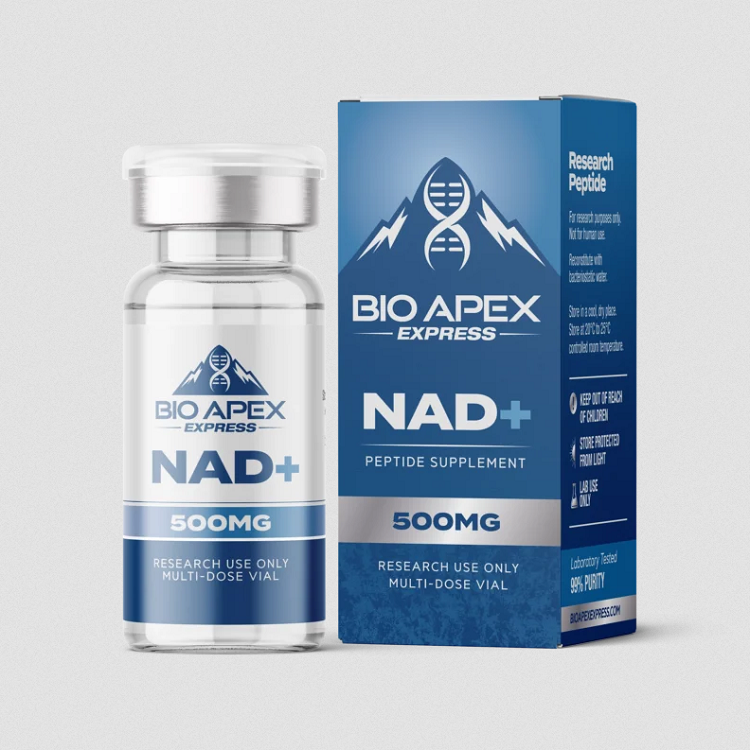
Let me be honest with you — the first time I started looking into Canada peptides, I was genuinely overwhelmed. There were dozens of suppliers, wildly different price points, and almost no straightforward way to tell who was actually legit. The websites all looked professional. They all claimed high purity. And yet the more I dug in, the clearer it became that most of them had no business selling research compounds to anyone.
So I did what any researcher would do. I went deep. I compared COAs, read forum threads, cross-referenced batch numbers, and eventually narrowed things down to a short list of suppliers I’d actually trust. This article is what I wish I’d had before I started that process.
If you’re trying to figure out where to source quality peptides in Canada without wasting money or taking unnecessary risks, keep reading.
First, a Quick Primer on What Peptides Actually Are
Peptides are short chains of amino acids. That’s the textbook answer. But what makes them interesting from a research standpoint is how targeted they are — unlike larger proteins, peptides are small enough to bind with specific receptors and trigger very particular biological responses.
The ones getting the most research attention right now cover a pretty broad range of applications:
- BPC-157 — gut lining repair and tendon healing research
- TB-500 — tissue regeneration and inflammation reduction
- Semaglutide & Retatrutide — metabolic function and weight-related research
- Ipamorelin / CJC-1295 — growth hormone secretion and muscle recovery studies
- Epithalon — anti-aging and telomere research
- PT-141 — sexual health and arousal studies
None of this matters, though, if the compounds you’re working with aren’t pure. And that’s where most Canadian buyers run into trouble.
The Purity Problem (and Why It’s Worse Than You Think)
Here’s something the glossy product pages won’t tell you: a significant portion of peptides sold online in Canada are either underdosed, contaminated, or not the compound they claim to be. This isn’t speculation — independent lab tests have caught suppliers selling BPC-157 with bacterial endotoxins, or semaglutide that was closer to 80% pure than the 99% advertised.
The issue is that this industry doesn’t have the same oversight as pharmaceutical manufacturing. That means the vetting has to happen on the buyer’s end. And the only real way to verify purity is through an independent Certificate of Analysis — a COA from a third-party lab that tested that specific batch, not just a product line.
What does a trustworthy COA look like? It should show:
- The exact compound name and batch number
- Purity percentage (you want 99%+ for research-grade; 99.5%+ for clinical-grade)
- The testing lab’s name and accreditation
- A date of testing — recent batches only
If a supplier can’t give you all four of those things, move on. Seriously.
5 Things to Look for in a Canada Peptides Supplier
Beyond the COA question, here’s my personal checklist when evaluating any supplier:
1. Are lab results publicly posted — not just available on request?
The best suppliers post their COAs on the product page itself. If you have to email them and wait two days to get a PDF, that’s a yellow flag. Transparency should be built into the experience, not something you have to chase down.
2. Do they ship domestically within Canada?
International shipping for peptides is a mess. Customs delays, temperature exposure in transit, and the occasional confiscation — none of that is worth the few dollars you might save going overseas. A supplier based in Canada shipping to Canadian addresses cuts all of that risk out entirely.
3. Is there a real return policy?
A supplier confident in their product backs it up. If the return and refund policy is buried in fine print or non-existent, ask yourself why. Confidence in product quality shows up in how a company handles problems — not just how they handle happy customers.
4. Can you actually contact someone?
Anonymous storefronts with a single contact form are a red flag in any industry, but especially in this one. Before you order, try reaching out with a question. See how fast they respond and whether the answer is actually helpful. That interaction tells you a lot about what customer service will look like post-purchase.
5. Do they offer useful research support?
Dosage calculators, reconstitution guides, storage instructions — these aren’t just nice extras. For anyone newer to working with peptides, this kind of support can make the difference between a useful research session and an expensive mistake. Good suppliers invest in educating their customers because they want them to succeed.
Why I Keep Coming Back to Bio Apex Express
Of all the Canada peptides suppliers I’ve looked at, Bio Apex Express is the one that checks every box on that list — without exception. Here’s the honest breakdown:
The purity claims are actually verifiable
Every compound is verified at 99.5%+ purity through independent third-party testing. The lab results aren’t locked behind a login or request form — they’re right there on the site. You can check them before you buy, not after. That level of transparency is rarer than it should be.
The catalog is genuinely broad
They’ve organized their products by research area, which I actually find really practical. Whether you’re looking into anti-aging (Epithalon, GHK-Cu), metabolic research (Semaglutide, Retatrutide, Tirzepatide), muscle and recovery (Ipamorelin, CJC-1295), healing (BPC-157, TB-500), immunity (Thymosin Alpha-1), or sexual wellness (PT-141) — they’ve got it covered. And they offer bundles too, which makes sense for longer studies.
Free shipping kicks in at $125
It’s a reasonable threshold. If you’re ordering more than one compound — which most researchers are — you’ll hit it without trying. Domestic shipping, fast turnaround, full tracking. No customs drama.
The dosage tools are genuinely useful
This is one of those “why doesn’t every supplier do this” situations. Bio Apex Express has built free calculators directly into the site: a general Peptide Dosage Calculator, a dedicated BPC-157 Dosage Calculator, a Reconstitution Calculator, and a Retatrutide-specific tool. If you’ve ever done reconstitution math in your head at 11pm, you’ll understand why this matters.
Customer support is actually responsive
They have a proper Help Center, a clear returns and exchange policy, and a shipping and tracking page that keeps you informed post-order. In my experience, questions get answered quickly and without the runaround. That’s not nothing.
A Few Things Worth Knowing Before You Order
Even with a great supplier, there are things on your end that affect how well your research goes:
Storage matters more than most people realize. Lyophilized peptides are relatively stable when kept cool, dry, and away from direct light. Once you reconstitute, refrigerate immediately and use within the window the supplier recommends. Don’t cut corners here — degraded peptides give you bad data.
Use the calculators. Reconstitution errors are more common than people admit. Plugging your numbers into a purpose-built calculator like the ones on Bio Apex Express’s site takes ten seconds and saves you from wasting a $60 compound on a math mistake.
These are research compounds, not medications. Research peptides are sold and intended for laboratory and scientific research. They’re not approved pharmaceutical products and shouldn’t be treated as such. Understand what you’re working with and operate within the appropriate guidelines for your jurisdiction.
Document everything. Good research is repeatable research. Keep detailed records of batch numbers, reconstitution volumes, dates, and observations. If results look off, your documentation is what helps you figure out why.
Questions I Get Asked a Lot
Is it legal to buy peptides in Canada?
Generally, yes — for research purposes. Research peptides aren’t controlled substances in Canada, but they’re also not approved drugs. The key distinction is that they’re not intended for human self-administration. If you’re buying them for legitimate research, you’re in a well-established category of legal purchasers. That said, regulations can shift, so it’s always worth verifying current rules in your province.
What’s the actual difference between 98% and 99.5% purity?
It sounds small but it compounds. At 98%, you have 2% unknowns in your compound — potentially other peptide fragments, solvents, or contaminants. At 99.5%, that drops to 0.5%. For research where you’re trying to isolate the effect of a single compound, that difference in background noise can genuinely affect what you observe.
Do I need anything special to work with peptides?
At minimum: bacteriostatic water for reconstitution, sterile syringes for handling and measuring, and proper storage containers. Some researchers also use insulin syringes for precision. Bio Apex Express’s calculators handle the math side — the rest is basic lab hygiene.
How fast does Bio Apex Express ship?
They ship domestically within Canada with full tracking. For specific delivery windows, their Shipping and Tracking page has the most current information. In my experience, domestic Canadian orders have moved faster than I expected.
Bottom Line
The Canada peptides market has a quality problem. Not every supplier, obviously — but enough of them that you can’t afford to just grab the first result in a Google search and call it a day. The difference between a trustworthy supplier and a sketchy one isn’t always obvious from the outside, which is why the due diligence matters so much.
What I look for is simple: third-party verified purity, transparent lab results, domestic shipping, and a company that actually supports its customers after the sale. Bio Apex Express hits all of those marks. If you’re serious about the quality of your research, it’s worth starting there.