
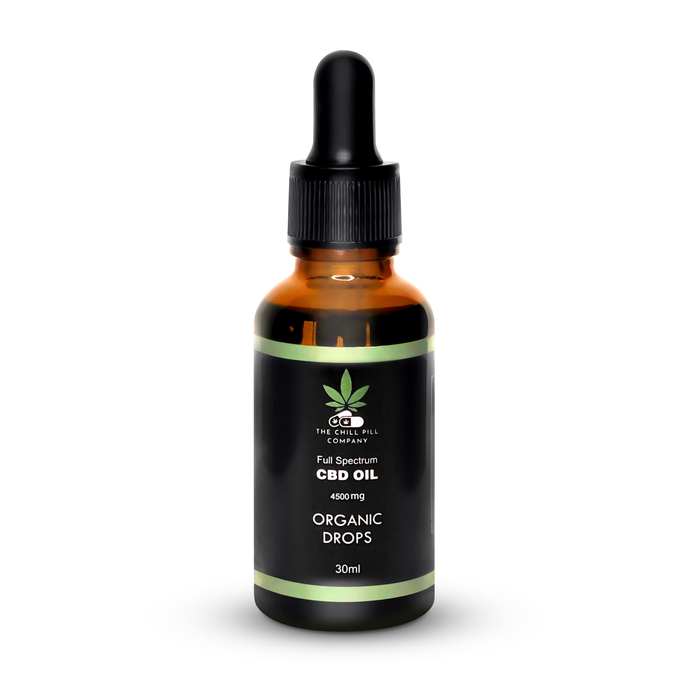
A CBD product label may display impressive numbers, including 1500mg, 3000mg or 5000mg of cannabidiol. However, the information printed on the packaging does not independently prove that the product contains the advertised amount.
This is where CBD laboratory testing becomes important. A certificate of analysis, commonly called a COA, provides analytical information about the composition of a particular product or sample.
For consumers researching CBD Oil Australia, understanding laboratory documentation can help distinguish verified measurements from unsupported marketing claims.
A laboratory report may contain information about CBD concentration, tetrahydrocannabinol (THC), other cannabinoids and potential contaminants. It may also reveal whether the tested sample matches the concentration stated on the label.
However, laboratory testing does not automatically establish that a product is safe, therapeutically effective or legally approved for sale in Australia.
This guide explains how to read CBD lab test results, understand technical measurements and identify eight essential quality checks.
In this guide
- What is a CBD certificate of analysis?
- Eight essential quality checks
- How to read a sample lab report
- Understanding cannabinoid results
- THC detection and THC-free claims
- Contaminant testing
- Testing different CBD formulations
- Australian legal and quality rules
- Frequently asked questions
What Is a CBD Certificate of Analysis (COA)?
A certificate of analysis is a laboratory document reporting the findings of tests performed on a particular sample.
In the CBD industry, these reports commonly describe the quantity of cannabidiol and other cannabinoids detected in a product.
Depending on the testing performed, a COA may also include screening for potentially harmful substances, such as pesticides, heavy metals, residual solvents or microbial contamination.
The information helps establish what the laboratory found in the tested sample under specified analytical conditions.
What Does a CBD Lab Report Actually Prove?
A genuine laboratory report can provide evidence about measured ingredients and contaminants in the submitted sample.
It does not necessarily verify every bottle produced by a manufacturer, guarantee that the product remains unchanged over time or establish that it is suitable for a patient.
Testing must also be interpreted in the context of the laboratory’s analytical method, measurement uncertainty and detection limits.
Key takeaway: A COA is a technical measurement report, not a universal certificate of product safety, clinical effectiveness or Australian regulatory approval.
Eight Essential Quality Checks When Reading CBD Lab Results
A useful way to evaluate a CBD laboratory report is to examine eight separate details rather than focusing only on the total CBD number.
- Confirm the Laboratory’s Identity
A laboratory report should identify the organisation that performed the testing.
Look for its name, contact details, report identification number and the analytical procedures used.
Independent laboratory testing can provide additional confidence because it separates measurement from the manufacturer’s own promotional claims.
Accreditation to ISO/IEC 17025 can be relevant, but the laboratory’s accreditation scope should include the specific tests being relied on.
Simply displaying an accreditation logo does not prove that every result in the report falls within that scope.
- Match the Batch or Lot Number
CBD products may be manufactured in separate production batches.
A report from one batch should not automatically be assumed to represent another batch.
Compare the batch number on the packaging with the number identified on the report.
If they do not match, the document may not describe the product being evaluated.
- Check the Laboratory Testing Date
The date of testing helps establish when the measurements were performed.
Older reports may provide useful historical information, but they cannot establish the current composition of every product.
Cannabinoid concentrations may change over time depending on formulation, storage conditions and product stability.
Where relevant, the report should be reviewed alongside the product’s expiry date and supporting stability information.
- Verify CBD Concentration
The most prominent number on a CBD oil label often describes the total amount of CBD in the container.
Laboratories may report CBD in units such as milligrams per millilitre, milligrams per gram or a percentage.
These units must be understood correctly before comparing the laboratory result with the label.
- Review THC Results
THC is a cannabinoid that may occur alongside CBD in cannabis extracts.
The THC section of a report should be reviewed carefully, especially when the manufacturer claims that a formulation contains no detectable THC.
Look for individual THC analytes, the units used and the laboratory’s analytical detection limits.
- Check Other Cannabinoids
Some formulations contain cannabinoids beyond CBD and THC.
Depending on the product, these may include cannabigerol (CBG), cannabinol (CBN), cannabichromene (CBC) and acidic cannabinoid precursors.
The presence or absence of these compounds can help explain whether the test results are consistent with the advertised type of extract.
- Review Contaminant Testing
Cannabinoid concentration is only one part of product quality.
A product may contain the expected amount of CBD while still raising concerns about contamination.
Relevant testing may include pesticides, heavy metals, microbiological contamination, mycotoxins and residual solvents, depending on the product and manufacturing process.
- Check Whether the Results Are Complete
A report containing only CBD concentration does not demonstrate that the product has passed every relevant quality test.
Check whether the report provides the test methods, reporting units, limits and results needed to interpret the findings.
A laboratory’s statement that a result is below a specific threshold is only meaningful when that threshold and its regulatory context are understood.
Quick CBD Lab Report Checklist
| Quality Check | What to Look For | Why It Matters |
| Laboratory identity | Lab name and report number | Helps verify the report’s origin |
| Batch number | Matches product packaging | Connects testing to the relevant batch |
| Testing date | Clearly documented | Shows when analysis occurred |
| CBD concentration | Quantified CBD result | Allows comparison with label claims |
| THC concentration | Result and detection limit | Helps interpret THC-related claims |
| Other cannabinoids | Applicable cannabinoid profile | Supports extract identification |
| Contaminants | Relevant screening and results | Identifies certain quality risks |
| Report completeness | Methods, units and relevant limits | Allows meaningful interpretation |
How to Read a CBD Lab Report: Worked Example
A practical example makes the laboratory terminology easier to understand.
Consider a hypothetical 30mL CBD oil labelled as containing 1500mg of CBD.
The following report is fictional and created solely for educational purposes. It does not represent a real product, laboratory test or independent assessment of any CBD retailer.
Illustrative CBD Certificate of Analysis
Product: Example CBD Oil
Batch: DEMO-2026-001
Volume: 30mL
Label claim: 1500mg total CBD
Testing status: Fictional educational example
| Analyte | Illustrative Result | Interpretation |
| CBD | 48mg/mL | Measured CBD concentration |
| CBG | 0.10mg/mL | Low measured concentration |
| Delta-9 THC | Not detected | Below the illustrative detection limit |
| THC detection limit | 0.02mg/mL | Illustrative method sensitivity |
| Pesticides | Not provided | Cannot determine from this report |
| Heavy metals | Not provided | Cannot determine from this report |
| Microbial testing | Not provided | Cannot determine from this report |
All values and identifiers in this example are invented to demonstrate report interpretation. No testing was conducted.
Step 1: Calculate the Claimed CBD Concentration
The label states 1500mg of CBD in a 30mL bottle.
Labelled concentration:
1500mg ÷ 30mL = 50mg/mL
The product’s nominal concentration is therefore 50mg/mL.
Step 2: Calculate the Measured Total CBD
The hypothetical laboratory report shows 48mg of CBD per millilitre.
Measured total CBD:
48mg/mL × 30mL = 1440mg
The measured amount is 60mg less than the advertised 1500mg.
Step 3: Calculate the Difference From the Label
The measured quantity can be expressed as a percentage of the label claim.
Percentage of labelled content:
(1440 ÷ 1500) × 100 = 96%
Difference from label: -4%
This example shows a measured value that is 96% of the stated CBD content.
Under TGO 93, medicinal cannabis oils within the relevant dosage-form category must generally contain 90% to 110% of the stated active-ingredient content.
The illustrative CBD assay value falls inside that numerical range. However, that fact alone cannot establish regulatory compliance, because the full product and other applicable quality requirements have not been assessed.
Step 4: Interpret the THC Result
The fictional report states that delta-9 THC was not detected above an illustrative detection limit of 0.02mg/mL.
That does not prove that the sample contained absolutely no THC.
It also does not establish that every relevant THC compound was examined or that the product would produce a negative drug test.
Step 5: Identify Missing Information
The hypothetical report does not contain results for pesticide residues, heavy metals or microbiological contamination.
The correct interpretation is that those results are unavailable, not that the sample passed those tests.
Practical lesson: A report can show a plausible CBD concentration while still lacking important information about other ingredients and contaminants.
Understanding the Cannabinoid Profile
Cannabinoid profiles describe which cannabinoids were found in a sample and their measured concentrations.
This information is especially relevant when comparing purified CBD formulations with extracts containing multiple cannabinoids.
Full-Spectrum CBD Extracts
A product described as full spectrum CBD oil generally contains CBD alongside additional naturally occurring cannabis compounds.
Depending on the formulation, the report may identify THC, CBG, CBN, CBC or other cannabinoids.
However, a COA measuring only cannabinoids cannot verify every compound associated with the full-spectrum label.
For example, terpene claims require appropriate terpene analysis rather than relying exclusively on cannabinoid results.
Broad-Spectrum CBD Extracts
Broad-spectrum formulations generally contain CBD and selected additional plant compounds, with THC reduced or removed during processing.
The actual cannabinoid profile depends on the manufacturer’s formulation and analytical results.
A broad-spectrum claim should therefore be interpreted using measured cannabinoid data, not marketing language alone.
CBD Isolate
Interest in CBD Isolate Australia often centres on the purity and cannabinoid composition of isolated cannabidiol.
CBD isolate is intended to consist predominantly of purified CBD without additional naturally occurring cannabinoids.
A laboratory report can help measure its purity and identify whether other cannabinoids are present above the method’s reporting limits.
However, analytical testing remains important even for products described as pure or isolated.
Comparison of Cannabinoid Formulations
| Formulation | CBD | Other Cannabinoids | THC |
| Full spectrum | Present | Generally present | May be present |
| Broad spectrum | Present | May be present | Generally reduced or removed |
| CBD isolate | Predominant cannabinoid | Not intended | Not intended |
These are general formulation descriptions rather than guarantees about any individual product.
How to Interpret THC-Free CBD Lab Results
THC is one of the most important compounds to examine when reading a cannabinoid laboratory report.
Consumers researching THC Free CBD Oil may encounter claims such as zero THC, non-detectable THC or THC-free formulation.
Those phrases require careful interpretation because laboratory methods have limits to what they can detect and quantify.
What Does ND Mean?
ND usually means not detected.
It indicates that a substance was not detected at or above the relevant analytical detection threshold.
It does not necessarily mean that absolutely no molecules of that substance were present.
What Is the Limit of Detection?
The limit of detection, or LOD, is the lowest level at which a method can reliably identify the presence of a substance under specified conditions.
A substance below the method’s LOD may be reported as not detected.
What Is the Limit of Quantification?
The limit of quantification, or LOQ, is the lowest concentration that can be measured quantitatively with acceptable performance under the analytical method.
A substance may be detected but still fall below the level where the laboratory can reliably report a precise quantity.
LOD vs LOQ vs Not Detected
| Term | Meaning |
| ND | Not detected under the stated method conditions |
| LOD | Limit at which a substance can be reliably detected |
| LOQ | Limit at which a substance can be reliably quantified |
| Below LOQ | Cannot be reliably quantified at that concentration |
| Measured result | A reported quantitative concentration |
Does THC-Free Mean Drug-Test Safe?
No laboratory document can automatically guarantee that a person will pass all workplace or roadside drug-testing procedures.
Different tests, exposure patterns and product compositions can affect the outcome.
Australian driving laws also differ between states and territories.
Consumers should seek qualified advice and avoid relying on marketing claims to make decisions about driving or drug testing.
What Contaminants Should CBD Products Be Tested For?
CBD laboratory reports may include several different types of quality testing.
The relevant requirements depend on product type, manufacturing process and applicable regulations.
Pesticide Residues
Cannabis plants may be exposed to pesticides during cultivation.
Laboratory testing can identify certain pesticide residues and compare the results with applicable limits.
A report should identify which substances were actually tested.
Heavy Metals
Plants may absorb certain elements from their growing environment.
Relevant heavy metals may include lead, arsenic, cadmium and mercury.
Quality testing can help identify whether specified concentrations exceed applicable thresholds.
Residual Solvents
Some cannabis extraction and manufacturing methods use solvents.
Where applicable, laboratory testing may examine whether residual solvent concentrations meet relevant specifications.
A statement about solvent-free manufacturing should not be confused with a complete analytical evaluation.
Microbial Contamination
Microbial testing may assess the presence of relevant bacteria, fungi and other microorganisms.
The tests performed and their acceptance criteria depend on the product and applicable standards.
Mycotoxins
Certain fungi can produce harmful substances known as mycotoxins.
Relevant testing may include aflatoxins and ochratoxin A, where required.
The TGA includes contaminant requirements in its quality framework for medicinal cannabis products.
Important: A cannabinoid potency report is not necessarily a complete contaminant testing report. Consumers should not assume that missing results mean a product passed.
Do CBD Oils, Gummies and Other Formats Need Different Testing?
Different formulations require attention to their specific ingredients, manufacturing methods and intended use.
CBD Oil Testing
CBD oils are commonly assessed for cannabinoid concentration and relevant product quality parameters.
A laboratory may report CBD as milligrams per millilitre or another specified concentration unit.
When comparing oil labels, the bottle volume matters because it determines the total CBD content.
CBD Gummies Testing
People researching CBD Gummies Australia may encounter packaging that states the amount of CBD per gummy and the total quantity in the container.
For example, a hypothetical 60-piece container labelled 600mg CBD would indicate 10mg per piece.
Example:
600mg total CBD ÷ 60 gummies = 10mg per gummy
Laboratory results may be expressed per piece, per gram or using another analytical unit.
Those units must be converted correctly before comparing test results against package claims.
Uniformity between individual pieces may also be important, particularly for regulated medicinal dosage forms.
CBD Topical Products
Topical formulations may contain CBD combined with oils, waxes, emulsifiers or other cosmetic or therapeutic ingredients.
The type of testing required depends on the product’s formulation, legal classification and intended claims.
Why Product Format Matters
A CBD oil laboratory result should not automatically be treated as representative of a gummy, capsule or cream.
Different formulations can require different sample preparation methods and analytical validation.
Each finished product must be evaluated according to its own characteristics.
How to Recognise a Questionable CBD Lab Report
Consumers should be cautious when a laboratory document contains inconsistencies or does not provide enough information to understand the results.
Potential warning signs include:
- A missing laboratory name or report identification number.
- A batch number that does not match the product.
- Missing testing dates.
- CBD quantities reported without clear measurement units.
- THC-free claims without appropriate analytical results.
- Missing detection limits where non-detection claims require interpretation.
- Contaminant-free claims without supporting test panels.
- A certificate that cannot be authenticated with the laboratory.
Not every abbreviated report is necessarily fraudulent. However, unexplained omissions can make it difficult to assess what the testing actually demonstrates.
CBD Lab Testing and Australian Regulations in 2026
Australian CBD regulations are an important part of understanding product quality.
Search interest in CBD Australia frequently includes questions about product legality, THC content and whether CBD can be obtained without a prescription.
In Australia, medicinal cannabis products are regulated as therapeutic goods by the Therapeutic Goods Administration.
What Is TGO 93?
Therapeutic Goods Order No. 93, commonly called TGO 93, establishes quality requirements for medicinal cannabis products within its scope.
The standard addresses important matters including active ingredients, manufacturing quality and relevant testing.
For medicinal cannabis oils within the applicable dosage-form category, measured active-ingredient content must generally fall between 90% and 110% of the stated amount.
Other dosage forms can have different assay requirements.
These rules should be interpreted using the current TGA guidance and the precise product classification.
Does a COA Prove TGA Approval?
No. A laboratory report does not establish that the TGA has approved a product.
A certificate of analysis describes particular laboratory findings.
Regulatory approval involves separate requirements, including assessment of quality, safety and effectiveness where applicable.
Most medicinal cannabis products accessed under special prescribing pathways in Australia remain unapproved therapeutic goods.
Can CBD Be Purchased Without a Prescription?
Australia introduced a Schedule 3 framework for certain low-dose CBD medicines in 2021.
However, the framework requires qualifying products to be approved and included on the Australian Register of Therapeutic Goods.
According to TGA guidance current in October 2026, no products meet the Schedule 3 requirements for pharmacist-only CBD supply.
Patients may access appropriate medicinal CBD through lawful prescribing and supply pathways.
What About Online CBD Sellers?
An online listing does not automatically establish that a medicinal CBD product can legally be supplied to Australian consumers.
For example, the search phrase Buy CBD Oil may appear across international retail sites and informational resources.
However, Australian therapeutic goods and import laws still apply.
Consumers should verify the lawful access pathway with a qualified healthcare professional rather than assuming that overseas retail rules apply within Australia.
For official information, consult the TGA medicinal cannabis patient information.
Why CBD Lab Testing Matters Beyond Marketing
Laboratory testing can reveal differences between what a product label states and what was measured in the tested sample.
In a 2024 surveillance report, the TGA tested 21 medicinal cannabis products for cannabinoid content and screened for delta-8 THC.
One of those products did not meet the applicable active-ingredient content requirement.
The finding related to the measured total THC content.
The remaining 20 samples met the active-ingredient content requirements assessed in that survey.
This does not mean the same failure rate applies across the entire Australian market. The survey involved a selected group of products.
Nevertheless, it illustrates why product composition should be supported by appropriate analytical evidence rather than label claims alone.
What to Check Before Relying on a CBD Product Claim
Before relying on laboratory results, it helps to follow a consistent evaluation process.
- Confirm what CBD concentration the manufacturer claims.
- Identify the actual product and batch described in the laboratory report.
- Check that the laboratory and analytical method are identifiable.
- Compare the measured CBD result against the label using matching units.
- Review THC results and relevant detection limits.
- Check whether contaminant testing is available and appropriate.
- Determine whether the report is current and relevant to the product.
- Separately verify legal status and medical suitability under Australian requirements.
These checks help distinguish what is supported by laboratory evidence from what remains unknown.
Frequently Asked Questions
What Is a CBD Certificate of Analysis?
A certificate of analysis is a laboratory document describing measured properties of a submitted sample. For CBD products, it may include cannabinoid concentrations and relevant contaminant results.
How Can You Tell Whether a CBD Lab Report Is Genuine?
Check the laboratory name, report identifier, batch number, testing date and methods. Where possible, confirm the report’s authenticity directly with the laboratory.
What Does CBD Percentage Mean on a Lab Report?
It describes CBD concentration using a particular measurement basis. The units must be examined carefully because weight-per-weight and weight-per-volume percentages are not automatically identical.
What Does Not Detected Mean for THC?
It generally means THC was not detected above the laboratory method’s specified detection limit. It does not prove absolute absence under every method.
Can a Product Contain More CBD Than Its Label States?
Yes. A laboratory may measure more or less CBD than the declared quantity. Whether the difference meets applicable requirements depends on the product and regulatory standards.
Is CBD Isolate Always 100% Pure?
No. A purity claim must be supported by appropriate analytical testing. Trace impurities may exist depending on manufacturing and testing methods.
Do Full-Spectrum CBD Products Contain THC?
They may. Full-spectrum extracts generally retain multiple naturally occurring cannabis compounds, potentially including THC. The actual amount depends on the formulation.
Do CBD Gummies Need Laboratory Testing?
Laboratory testing can help verify the CBD content and other relevant quality characteristics of edible formulations. Specific legal testing obligations depend on the product’s regulatory classification.
Can a CBD Product Pass Potency Testing but Fail Other Tests?
Yes. Potency testing measures cannabinoid content. Other analyses may be needed to evaluate contaminants and additional quality factors.
Does Third-Party Testing Make CBD Legal in Australia?
No. Laboratory testing does not substitute for Australian therapeutic goods approval, prescribing requirements or other applicable legal obligations.
Final Thoughts: Understanding CBD Lab Test Results
Learning how to read CBD laboratory results helps consumers understand the difference between verified measurements and promotional claims.
A reliable report should identify the sample, testing laboratory, batch number, measured cannabinoids and relevant analytical methods.
CBD concentration, THC detection limits and contaminant testing are especially important when evaluating product documentation.
However, a certificate of analysis cannot guarantee medical safety, clinical effectiveness or legal approval.
Australian consumers should interpret laboratory data alongside current TGA requirements and qualified professional advice.
The most meaningful quality assessment considers the complete evidence rather than a single milligram number or THC-free claim.
References and Further Reading
- Therapeutic Goods Administration: Quality Requirements for Medicinal Cannabis
- Therapeutic Goods Administration: Laboratory Testing of Medicinal Cannabis Products
- Therapeutic Goods Administration: Medicinal Cannabis Information for Patients
- Therapeutic Goods Administration: Medicinal Cannabis Access Pathways
- Therapeutic Goods Administration: Advertising Restrictions for Prescription Medicines